Overland Expo has posted its 2027 schedule, and the season starts in Costa Mesa, California, on March 13-14 with Overland Expo SoCal at the OC Fair & Event Center. Overland Expo West, the biggest in the series, returns to Fort Tuthill County Park in Flagstaff, Arizona, May 14-16, and Overland Expo PNW follows in Redmond, Oregon, June 25-27.
Overland Expo Mountain West moves to Riverdale Regional Park in Brighton, Colorado, for August 20-22; it was in Loveland in 2026. Overland Expo East closes the season at Oak Ridge Estate in Arrington, Virginia, October 22-24. In its 2026 review, Overland Expo said West drew 28,500 people and 420 exhibitors, and SoCal 19,000.
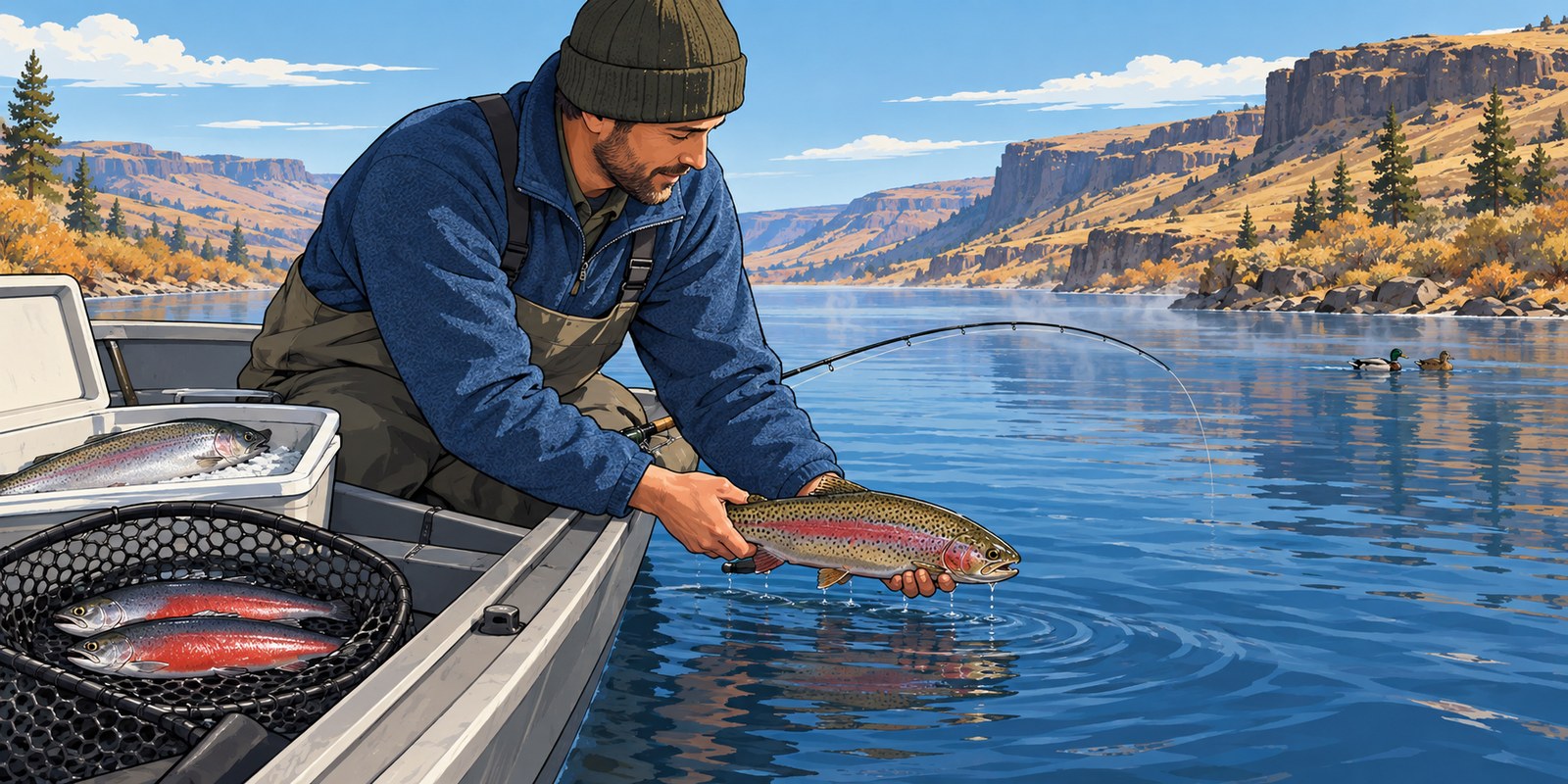
Washington Fish and Wildlife is taking public comments on two proposed fishing rule changes, the department said November 4. On Rufus Woods Lake, anglers could keep only adipose-clipped (hatchery) trout, to protect native redband trout and match the Colville Tribes' rules; the department said all net-pen and stocked fish there are clipped, so it doesn't expect fewer fishing opportunities. On Lake Roosevelt, the daily kokanee limit would drop from six to two, since no clipped hatchery kokanee have been released there in a decade. Comments can be submitted through the department's rulemaking page.
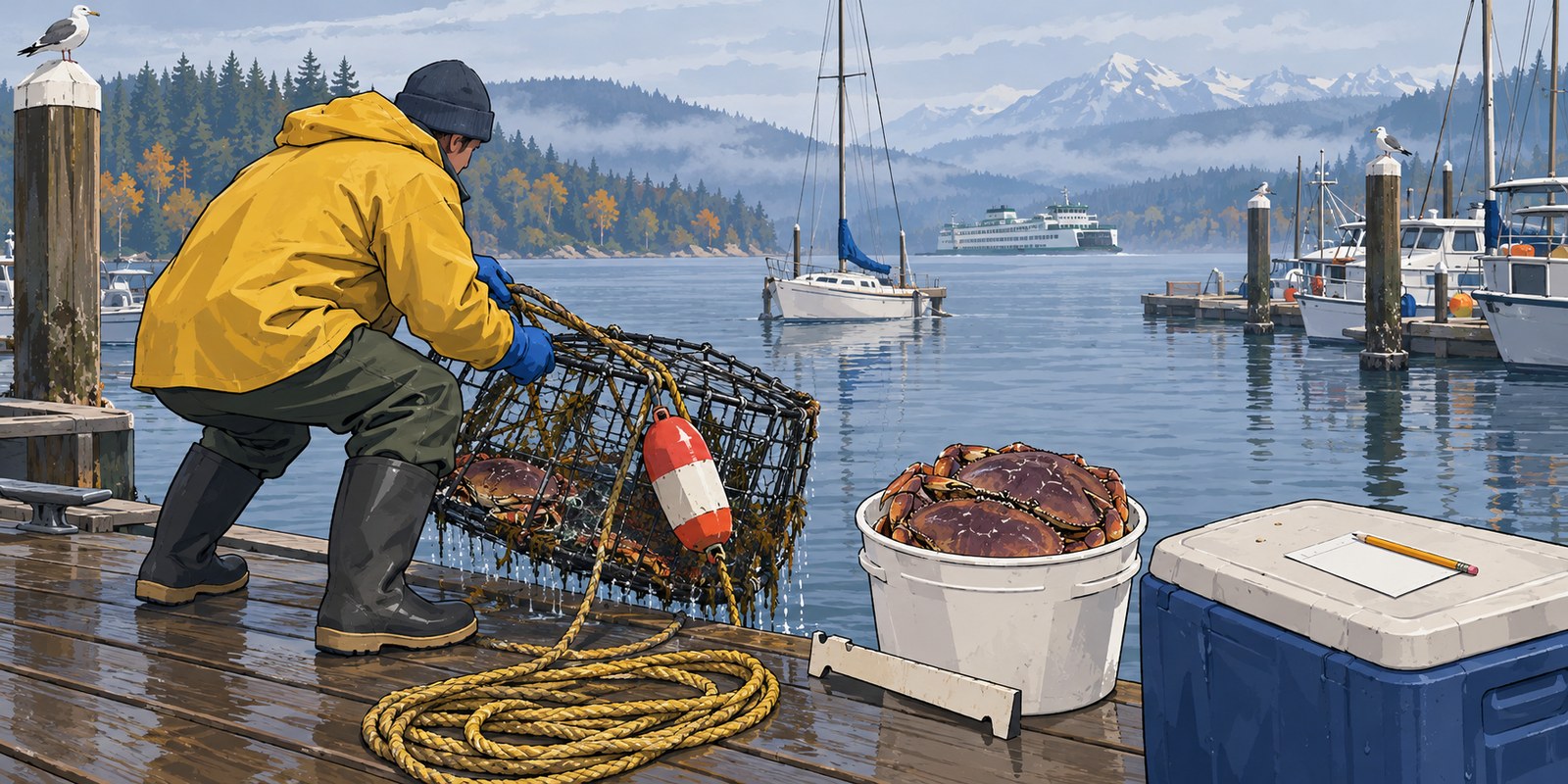
Washington Fish and Wildlife will hold a virtual public meeting on November 18 about raising the penalty for not returning Puget Sound Dungeness crab catch record cards, now $10, the department said November 4. Only 43 percent of summer crab card holders reported their catch in 2024 and 2025, and returns have declined since the 2013-14 season, making it harder to measure the harvest and meet tribal sharing obligations. If you crabbed this year, report your catch by the card's deadline, online or by mail, even if you caught nothing.
openRazor clam digs: Copalis and Mocrocks only, Nov 7–11 (evening low tides)Washington coastLong Beach and Twin Harbors stay closed for marine toxinschecked Nov 3
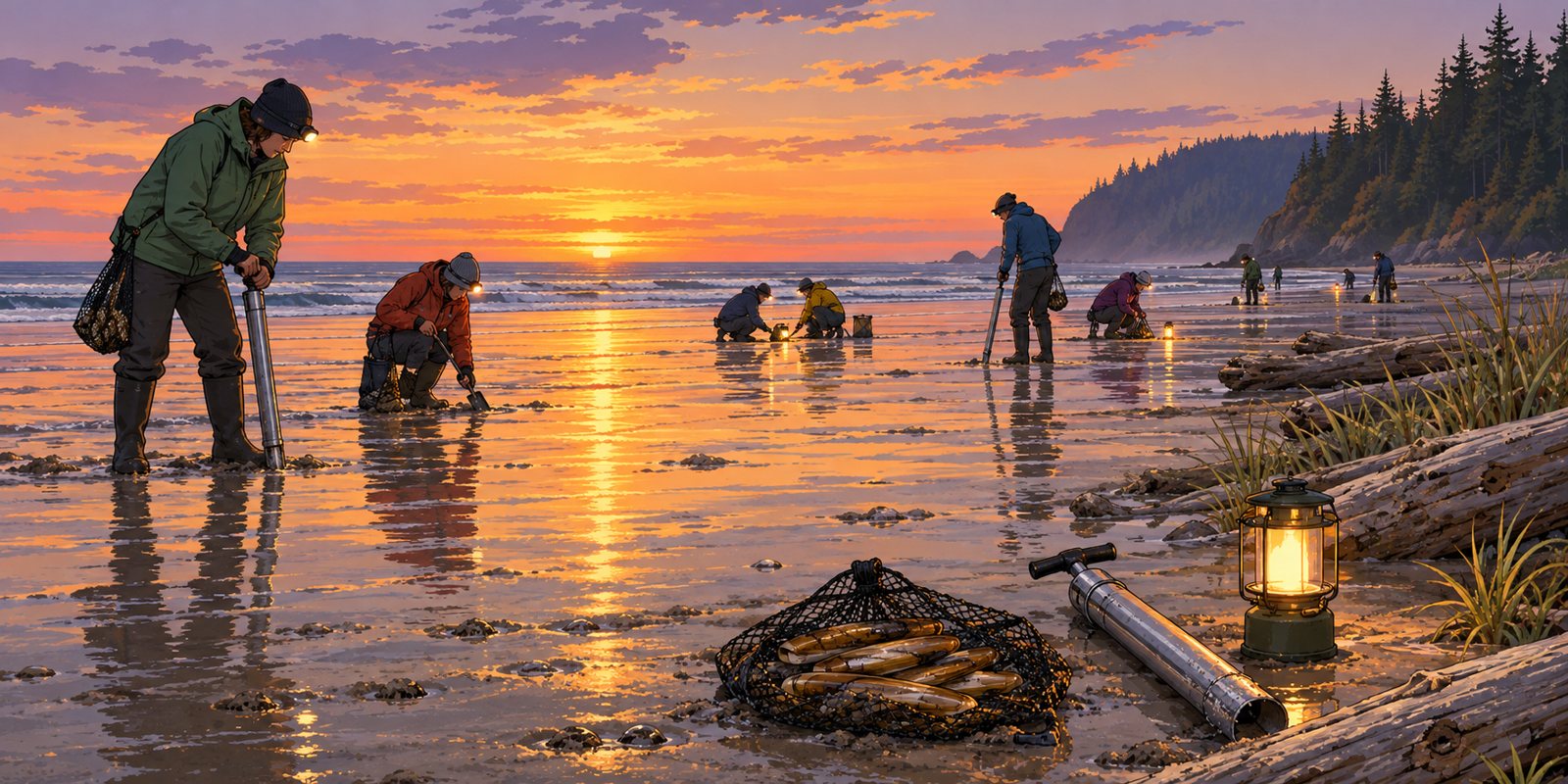
Washington Fish and Wildlife approved five days of razor clam digging on Copalis and Mocrocks beaches only, on evening low tides from November 7 to 11, the department said November 3: Nov. 7, 5:06 p.m., Mocrocks; Nov. 8, 5:44 p.m., Copalis; Nov. 9, 6:19 p.m., Copalis; Nov. 10, 6:54 p.m., Mocrocks; and Nov. 11 (Veterans Day), 7:29 p.m., Mocrocks. Digging is best one to two hours before low tide, and only from noon to midnight. Long Beach and Twin Harbors stay closed because marine toxin levels remain above the safe limit.
The department warned that a bigger swell and less extreme low tides will make digging harder than the first round, and that its summer survey found fewer clams on Copalis and Mocrocks than in recent years, so expect to move around to find clams. Check the National Weather Service ocean forecast and avoid the beach if swells are expected above 11 feet. The daily limit is 15 clams, you must keep the first 15 you dig, and every digger needs a license.
Washington Fish and Wildlife will hold a virtual town hall on Tuesday, November 10, from 6 to 8 p.m., to discuss planning for the 2026-27 coastal steelhead seasons, the department said November 2. Managers will present last season's escapement figures, preliminary forecasts and proposed regulations, with time for questions and public comment. The meeting is on Zoom and requires pre-registration through the department's website. 'We're focused on balancing wild steelhead conservation with providing meaningful fishing opportunities for hatchery steelhead,' said Chad Herring, the department's Coastal Region fish program manager.
Up to 18 inches in the Sierra high country and Colorado's San Juans and up to two feet in Utah's Cottonwood Canyons, with chain controls and difficult travel through Monday.
The first widespread mountain snowstorm of the season is crossing the West this weekend, and the National Weather Service has winter storm warnings and advisories from the Sierra Nevada to the Rockies.
In California, a winter weather advisory runs until 7 a.m. Sunday for Yosemite outside the valley, Sequoia and Kings Canyon, with 4 to 8 inches between 7,500 and 9,500 feet and up to 18 inches higher up. The northern Sierra, including Interstate 80 and Highway 50, could see up to 10 inches above 7,000 feet, with chain controls possible, and the Lake Tahoe area 2 to 5 inches above 7,000 feet. Nevada's Ruby Mountains and East Humboldt Range are under a winter storm warning through Sunday evening, with 12 to 16 inches above 7,500 feet and snow-covered roads through Lamoille Canyon.
A man was gored in the face by an antler on Monday, October 26, while he and another man tried to cut a young mule deer buck free from wire on private land near Walla Walla, Washington Fish and Wildlife said. He became caught in the wire as the buck struggled and was treated at a local hospital; officers later had to put the deer down because it was too badly entangled. The department's advice: do not try to free tangled or injured wildlife yourself. Call WDFW Police at 360-902-2936, email [email protected], or call 911, and keep pets away from deer, which can seriously injure people when threatened.
openRazor clam digs: Mocrocks Oct 26 and 29; Copalis Oct 27 and 28Grays Harbor Co., WashingtonNoon to midnight; Long Beach and Twin Harbors closedchecked Oct 26
Washington's first razor clam dig of the season is tonight, Monday, October 26, at Mocrocks Beach, with low tide at 7:18 p.m. at minus 1.2 feet. Digging is allowed only from noon to midnight; the best time is one to two hours before low tide.
The rest of the series: Copalis on Tuesday, October 27 (low tide 8:01 p.m.) and Wednesday, October 28 (8:47 p.m.), and Mocrocks again on Thursday, October 29 (9:38 p.m.). Long Beach and Twin Harbors remain closed because of marine toxins, and the department expects fewer digging days than usual at Copalis and Mocrocks this season.
closedWonderland Trail, Carbon River Suspension Bridge to White River Campground; Northern Loop; Grand Park trailsMount Rainier National Park, WashingtonWonderland Complex fires still active; Sunrise and White River roads closed for winterchecked Oct 26
Mount Rainier's Wonderland Trail remains closed from the Carbon River Suspension Bridge to White River Campground, along with the Northern Loop Trail and all trails in the Grand Park area, until further notice, the park says. The Grand Park Fire 2 and the West Fork, Garda Falls and Pigeon fires, known together as the Wonderland Complex, are still active and expected to burn until extinguished naturally. The Sunrise and White River roads have also closed for the winter season.
The Stillaguamish River from Marine Drive to the forks near Arlington stays closed to all fishing through November 1 under the emergency rule Washington Fish and Wildlife issued October 7. Check the department's emergency rules page before fishing after that date, in case the closure is extended.
The September advisory about possible tribal citations on the Chehalis River near Oakville has been overtaken by a full closure: the Chehalis, with the rest of the Grays Harbor and Willapa Bay river systems, has been closed to salmon and all game fish since October 24 because of near-record low flows, Washington Fish and Wildlife says. The department may reopen rivers if flows rise.
A black bear attacked a woman from behind early Sunday, October 25, as she walked her leashed dog in her backyard near Index in Snohomish County, knocking her down and biting and clawing her before she got inside and called for help, the Washington Department of Fish and Wildlife said. She was taken to a hospital with serious but non-life-threatening injuries.
Two black bears had been seen in the area, a large adult and a younger bear, possibly a sow with a cub. Fish and Wildlife officers and county deputies searched with dogs but did not find the animal; a trap has been set and patrols increased. It is the second black bear attack in Washington in a week, after a wounded bear injured a woman in Pend Oreille County on October 18.
noticeMost park roads; West, South and East entrancesYellowstone National Park, Wyo.–Mont.–IdahoClose to regular traffic Nov 1; North–Northeast road stays openchecked Oct 23
Saturday, October 31, is the last day to drive most of the park this year. Only the North-to-Northeast road through Lamar Valley stays open all winter.
Yellowstone National Park closes its West, South and East entrances and nearly all park roads to regular vehicle traffic on November 1, the park said October 21. Saturday, October 31, is the last day visitors can drive most of Yellowstone's roads in 2026. The road from Tower Fall to Canyon Junction over Dunraven Pass stays open through October 31, weather permitting.
Through the winter, the only route open to cars is the road between the North Entrance at Gardiner, Montana, and the Northeast Entrance at Cooke City and Silver Gate, Montana, through Mammoth Hot Springs, Tower Junction and Lamar Valley. It stays open year-round, weather permitting. Snowmobile and snowcoach travel season starts December 15.
closedWillapa Bay and Grays Harbor river systems, including the Chehalis, Humptulips, Willapa and Naselle; Copalis, Moclips, Joe Creek, Salmon and upper Quinault rivers; Marine Areas 2-1 and 2-2Grays Harbor, Pacific & Jefferson Cos., WashingtonAll species, most from Oct 24, until flows improve; check each WDFW rulechecked Oct 22
The Chehalis, Humptulips, Willapa and Naselle systems, the Copalis and Moclips, and Marine Areas 2-1 and 2-2 close October 24. The Dungeness opens Friday with a two-coho limit.
Fishing for salmon and all game fish closes Saturday, October 24, on many rivers and streams in Washington's Coastal Region because of near-historic low flows and coho returns well below forecast, the Department of Fish and Wildlife said October 21.
The closures cover the Willapa Bay and Grays Harbor river systems, including the Chehalis, Humptulips, Willapa and Naselle rivers, plus the Copalis and Moclips rivers and Joe Creek. Separate emergency rules issued the same day close the Salmon River and the upper Quinault; check each rule for its start date. Marine Areas 2-1 and 2-2 close too, except the Ocean Shores and Westport boat basins. They add to this month's closures on the Hoh, Quillayute and Clearwater systems, so for the Naselle, the hatchery reach that reopened October 16 closes again Saturday.
openRazor clam digs: Mocrocks Oct 26 and 29; Copalis Oct 27 and 28Grays Harbor Co., WashingtonNoon to midnight only; Long Beach and Twin Harbors closedchecked Oct 20
Washington Fish and Wildlife has approved the first razor clam digs of the season, at Copalis and Mocrocks beaches only, October 26 through 29. Long Beach and Twin Harbors remain postponed until further notice because of elevated marine toxin levels.
The digs alternate beaches to line up with the lowest evening tides, with digging allowed noon to midnight only: Monday, October 26, Mocrocks, low tide 7:18 p.m. at minus 1.2 feet; Tuesday, October 27, Copalis, 8:01 p.m., minus 1.5; Wednesday, October 28, Copalis, 8:47 p.m., minus 1.5; and Thursday, October 29, Mocrocks, 9:38 p.m., minus 1.2. The best digging is one to two hours before low tide.
A woman was injured by a black bear on Sunday, October 18, on a rural property outside Cusick in Pend Oreille County, Washington, the Department of Fish and Wildlife said. She was treated at a local hospital and then transferred to a hospital in Spokane.
The afternoon before, her husband had been lawfully hunting black bear on their private property off Reynolds Creek Road and shot a bear with a crossbow; it ran off. The couple went looking for it the next morning with their dog. The bear chased the dog and attacked the woman, and the couple drove straight to the hospital.
closedHoh and Quillayute watersheds, including Sol Duc, Bogachiel, Calawah, Dickey and tributariesClallam & Jefferson Cos., WashingtonAll species from Oct 19, until further noticechecked Oct 17
Washington Fish and Wildlife is closing the Hoh and Quillayute river systems to all fishing starting Monday, October 19, until further notice. The rule covers the Quillayute River itself, which reopened with reduced limits only on October 6, and every major river feeding it: the Sol Duc, Bogachiel, Calawah including both forks, and Dickey, plus the Hoh and South Fork Hoh outside Olympic National Park, and tributaries including Bear, Beaver, Sitkum and Thunder creeks.
The reason is the same one that closed the neighboring Clearwater on October 16. Coho catches in both basins are running well below expectations, suggesting returns below the preseason forecast, and a dry summer left rivers low enough that Chinook and coho have been holding in the lower rivers instead of moving up to spawn. Recent rain has helped some fish move, but managers remain concerned about how many will reach the spawning grounds.
Olympic National Park crews will remove the temporary bridge connecting the Quinault North Shore Road and South Shore Road on October 22. It spans a culvert vulnerable to winter storms and high water, and taking it out lets the park restore access once the highest risk of damage has passed. Through the winter, reach the Graves Creek area by the South Shore Road.
The section of the Naselle River at the Naselle Hatchery in Pacific County, Washington, opened to salmon retention on October 16, and the hatchery reopened to fishing access the same day, but it remains an active construction site through 2027, the Department of Fish and Wildlife says. Stay inside the posted pedestrian areas and out of all construction zones; the department warns that ignoring the boundaries could close public access. Boaters should take extreme care around the new diversion structures near the hatchery, where the layout of the river has changed. Restricted areas will shift during the season, so follow signs, barriers and hatchery staff.
Olympic National Park's fire crews plan to burn debris piles in the Mora, Hoh, Elwha and Quinault maintenance areas beginning October 20, conditions permitting. Smoke may be visible from nearby trails and roads and can reduce visibility and air quality; fire.airnow.gov has current readings. The debris comes from containing the Mount Tom Creek Fire, clearing fuels around park buildings and road maintenance.
The Clearwater River, the main tributary of the Queets on Washington's Olympic coast, is closed to all fishing from its mouth upstream starting October 16, until further notice, under an emergency rule from the Department of Fish and Wildlife.
In-season monitoring in the Queets basin shows coho harvest well below projections, suggesting this year's return may come in under the preseason forecast. A dry summer left the rivers low, so Chinook and coho have been holding in the lower river instead of moving up to spawn. Recent rain has moved some fish, but managers remain concerned about how many will reach the spawning grounds.
advisorySkagit and Cascade rivers, coho rules; Gilligan Creek–Baker River closed Oct 19–21Skagit Co., Washington2 coho Skagit, 4 Cascade; no bait, barbless; to Oct 31checked Oct 16
Washington Fish and Wildlife has updated the Skagit River coho rules, effective immediately through October 31, and changed the dates of the closures for tribal fisheries that this paper reported on October 9.
On the Skagit from Gilligan Creek, east of Sedro-Woolley, to the Baker River, the river was closed to all fishing on October 15 only. It is open October 16 through 18 under the coho rules, closed to all species October 19 through 21, and open again October 22 through 31. The earlier rule had listed a closure from October 12 through 15.
noticeProposed rules: CWD zone carcass movement; e-tagging for game birdsStatewide, IdahoComments through Oct 28; commission vote Nov 17–18checked Oct 14
Idaho Fish and Game is taking public comment through October 28 on two proposed rules, one of which would change what hunters can do with a deer, elk or moose taken inside a chronic wasting disease management zone.
Today, whole carcasses, which may still contain brain or spinal tissue, can be moved between game management units within a CWD management zone. The proposal would let the department manage those zones unit by unit and make it illegal to move a carcass from one unit to another inside a zone, whether the animal was hunted or salvaged.
openDuckabush, Triton Cove, Belfair State Park, Point Whitney shellfish beachesJefferson & Mason Cos., WashingtonFrom Oct 14; most through Oct 31checked Oct 13
Washington Fish and Wildlife is reopening several public shellfish beaches on Hood Canal starting Wednesday, October 14, after part of a summer biotoxin closure was rescinded in line with a state Department of Health advisory. The department says the move is meant to make up for harvest lost this summer.
Open: Duckabush Tidelands for clams, mussels and oysters until further notice; Belfair State Park for clams, mussels and oysters through October 31; Triton Cove Tidelands for clams and mussels through October 31; and Point Whitney Tidelands and Point Whitney Lagoon for oysters through October 31. Other public beaches in central Hood Canal, north of a line from Triton Head to Tekiu Point and east of a line due south from Sisters Point, follow their normal posted seasons.
openMarine Areas 4, 5, 6, 7, 8-1, 8-2, 9 and 12 north of Ayock PointPuget Sound, WashingtonSeven days a week to Dec 31; 10 and 11 undecidedchecked Oct 10
Recreational crabbing opens Saturday, October 10, in Marine Area 8-1 (Deception Pass, Hope Island and Skagit Bay) and Marine Area 8-2 (Port Susan and Port Gardner), seven days a week through December 31, Washington Fish and Wildlife says. The two areas were held back from the October 1 opener until sampling, finished October 2, showed enough legal-size males had moved from softshell to hardshell.
Limits are the same across Puget Sound: five male Dungeness a day, plus six red rock and six Tanner crab. Record every Dungeness on the winter catch record card.
North Cascades National Park Service Complex plans to burn brush piles left from fighting the Border 2 and Sisi fires in Ross Lake and Lake Chelan national recreation areas through October and November, when weather and staffing allow. Smoke may be visible from roads and around Stehekin and Ross Lake and can settle in low areas overnight. The park says burns will only go ahead when the risk of fire spreading beyond the piles is low.
advisorySkagit and Cascade rivers, coho rules; Gilligan Creek–Baker River closed Oct 12–15Skagit Co., Washington2 coho, no bait, barbless; Oct 9–31checked Oct 9
Washington's latest Skagit River rule, in effect October 9 through 31, keeps the bait ban, the single-point barbless hook requirement for salmon, and a two-coho daily limit on the river from the mouth to the Marblemount Bridge. Coho must be at least 12 inches, and all other salmon must be released.
The stretch from Gilligan Creek, east of Sedro-Woolley, to the Baker River closes to all fishing October 12 through 15 for a scheduled tribal treaty fishery, a shorter closure than first planned. It reopens under the coho rules October 16. On the Cascade River from the mouth to the Rockport-Cascade Road bridge, the limit is four coho, with no bait, barbless hooks, and no fishing Sundays, Mondays or Tuesdays.
Idaho's resident pheasant season opens October 15 everywhere in the state this year, rather than on different dates in the north and south, Idaho Fish and Game said. Nonresidents start October 20. The daily bag limit is now three roosters, no more than two of them from Upland Game Bird Permit release areas. The youth pheasant hunt, for licensed hunters 17 and younger, runs October 8 through 14.
The department is stocking nearly 29,000 pheasants at 24 release sites in every region. On those sites, hunters 18 and older need an Upland Game Bird Permit, which covers six birds and must be notched and dated in ink for each one taken; the daily limit there is two, with six in possession. Shooting hours on release sites start at 10 a.m., except in the Clearwater Region, where they start at 8 a.m. and online sign-up is required.
Washington Fish and Wildlife is taking comments through December 7 on a rule that would allow two-pole fishing year-round for all game fish, including walleye, bass, channel catfish and northern pikeminnow, in the Washington portion of the Snake River and on the Columbia from the Oregon border up to Chief Joseph Dam. It started as a petition for the Snake alone in July. Comment online, by email or by phone at 1-855-925-2801, project code 11057; a Zoom hearing with required pre-registration is set for 6 to 8 p.m. December 7.
Two residents of the Sunset Heights subdivision in Salmon, Idaho, were injured early October 2 when a juvenile black bear tried to get in their back door around 3:30 a.m., Idaho Fish and Game said. They tackled and wrestled the bear. One was flown to Eastern Idaho Regional Medical Center in Idaho Falls.
The sow was shot by a neighbor shortly after the attack, and both juveniles were trapped the next morning and euthanized. Fish and Game had been told the day before that a sow with cubs was killing chickens there and had set traps on the neighboring property. Investigators found the bears had been feeding for several days on a large pile of unsecured household garbage outside the home.
The mainstem Stillaguamish River closes to all fishing on Friday, October 9, through November 1, under an emergency rule the Washington Department of Fish and Wildlife posted this afternoon. The closure runs from Marine Drive south of Stanwood upstream to the forks where the North and South Fork Stillaguamish meet near Arlington.
The reason is Chinook. Preliminary monitoring shows sport fisheries on the river have reached this year's allowable number of Chinook encounters. The department expects most Chinook to have left the system by November 2, when fishing resumes under the regular 2026–27 rules.
closedRazor clam digging, Long Beach, Twin Harbors, Copalis and MocrocksPacific and Grays Harbor Cos., WashingtonSeason postponed; domoic acidchecked Oct 7
Washington's recreational razor clam season, scheduled to open October 9 through 14 on four coastal beaches, is postponed until further notice, the Department of Fish and Wildlife announced October 6. Domoic acid levels in test clams are rising and have exceeded state health guidelines in places.
A domoic acid bloom is moving up the coast, the department's coastal shellfish biologist said, with closure-level samples at Long Beach, Twin Harbors and Clatsop Beach in northwest Oregon, and is beginning to show north of Grays Harbor. The toxin, produced by certain marine algae, can be harmful or fatal if eaten in sufficient quantity. Before a beach can open, the state Department of Health requires two samples taken seven to 10 days apart, both under the guideline.
closedGrasshopper Fire closure area, Barlow and Hood River ranger districtsWasco & Hood River Cos., Oregon43 trails, 23 roads; order runs through Dec 31checked Oct 7
Mount Hood National Forest updated the Grasshopper Fire closure on October 1, and it is smaller than the version this paper last reported. The new order covers National Forest land on the Barlow and Hood River ranger districts east of Mount Hood and runs through December 31 unless the forest lifts it sooner. Our status band had still been showing the old count of 54 trails and 24 roads.
The order now lists 43 trails and 23 forest roads. Trail 678, Zigzag, and Trail 688, Surveyor's Ridge, are open, and Forest Road 44 is open from the eastern forest boundary to its junction with Road 4430. Closed trails include Lookout Mountain, Badger Creek, Bonney Meadows, Boulder Lake, Fifteenmile, Gumjuwac and Divide.
closedWonderland Trail, Carbon River Suspension Bridge to White River Campground; Northern Loop; Grand Park trailsPierce Co., WashingtonWonderland Complex fires; until further noticechecked Oct 7
The Wonderland Trail at Mount Rainier is closed from the Carbon River Suspension Bridge to White River Campground, the park's conditions page says, along with the Northern Loop Trail and every trail in the Grand Park area. Our status band still showed the closure running from Carbon River to Summerland; the park now lists White River Campground as the end point. Summerland has its own separate trailhead closure for bridge construction.
The cause is the Wonderland Complex, the Grand Park 2, West Fork, Garda Falls and Pigeon fires, which the park says remain active and are expected to burn until extinguished naturally.
The Quillayute River on Washington's coast reopens to fishing today, October 6, under an emergency rule from the Department of Fish and Wildlife, until further notice. The rule covers the river from the Olympic National Park boundary upstream to where the Sol Duc and Bogachiel rivers meet.
The rules are tighter than usual. Bait is prohibited for all species. For salmon, the daily limit is two, no more than one of them a wild adult, with a 12-inch minimum, and sockeye must be released. Game fish are open under the standard sport fishing rules, except for the bait ban.
Angling is closed on the lowest reach of Eagle Creek in Oregon's Clackamas basin, from the mouth upstream to the SE Dowty Road Bridge, as of October 2. The Oregon Department of Fish and Wildlife closes this stretch when low water traps coho salmon in the lower creek, where they are easy targets for snagging.
The department's own pages give two end dates. Its formal regulation updates page lists the closure as effective October 2 through October 31. Its Willamette Zone fishing report says October 2 through December 31, and local reporting carries the December date. Until the department settles it, assume the creek stays closed past October 31 and check the regulation updates page before fishing it in November.
The Snohomish River closes to all fishing on Saturday, October 3, under an emergency rule from the Washington Department of Fish and Wildlife. The closure runs through November 1 and covers the river from its mouth upstream to the confluence of the Skykomish and Snoqualmie rivers. It applies to every species, salmon and game fish alike.
The concern is coho. Sport coho fishing in the marine areas around the Snohomish has run ahead of preseason expectations, the department says, but the signs have not shown up in the terminal marine areas or the lower river. Recent rain has moved some fish, though low water may be holding up the run, and managers are worried the 2026 return is below forecast.
Mount Rainier National Park has closed the Summerland Trailhead and its parking area on the White River side for the Fryingpan Creek Bridge replacement, and they will stay closed for the length of the project, which is expected to finish in late fall 2029. Work began September 28, the park said September 30.
No section of the Wonderland Trail is closed because of the work, but hikers going to Summerland on the Wonderland will have to start from another trailhead. The park also says areas east of the bridge will have a shorter season during construction.
advisoryChehalis River, South Bank Road near Oakville to Moon Road SWGrays Harbor Co., WashingtonPossible tribal citations; WDFW advises avoidingchecked Sep 30
The Confederated Tribes of the Chehalis Reservation have said they may cite non-tribal anglers who fish an approximately 10-mile section of the Chehalis River without a tribal permit, $500 for boat fishing or $45 for bank fishing, the Washington Department of Fish and Wildlife said September 29. Gear or boats could be seized.
The stretch runs from about South Bank Road near Oakville upstream to Moon Road SW near Helsing Junction, through a mix of reservation land, off-reservation tribal trust land and private land. It is a popular reach for fall coho and steelhead under state sport fishing rules.
Recreational crabbing reopens Thursday, October 1, in seven Puget Sound marine areas, seven days a week through December 31. They are Marine Area 4 east of the Bonilla-Tatoosh line, 5, 6, 7 North, 7 South, 9, and the part of 12 in Hood Canal north of Ayock Point.
Several areas are not opening. Marine Areas 10 (Seattle and Bremerton) and 11 (Tacoma and Vashon) stay closed because little of the catch quota is left after summer; the department will decide whether a winter fishery is possible once summer catch reports are in. Areas 8-1 and 8-2, around Deception Pass, Skagit Bay, Port Susan and Port Gardner, stay closed for now because of softshell crab. Marine Area 13 and Hood Canal south of Ayock Point stay closed all winter for poor abundance.