Driving to the Mountains for Thanksgiving: Know Your Chain Rules First
The first big Sierra storm of the season lands just before the busiest travel week of the fall. A few minutes of reading now saves an hour on the shoulder later.
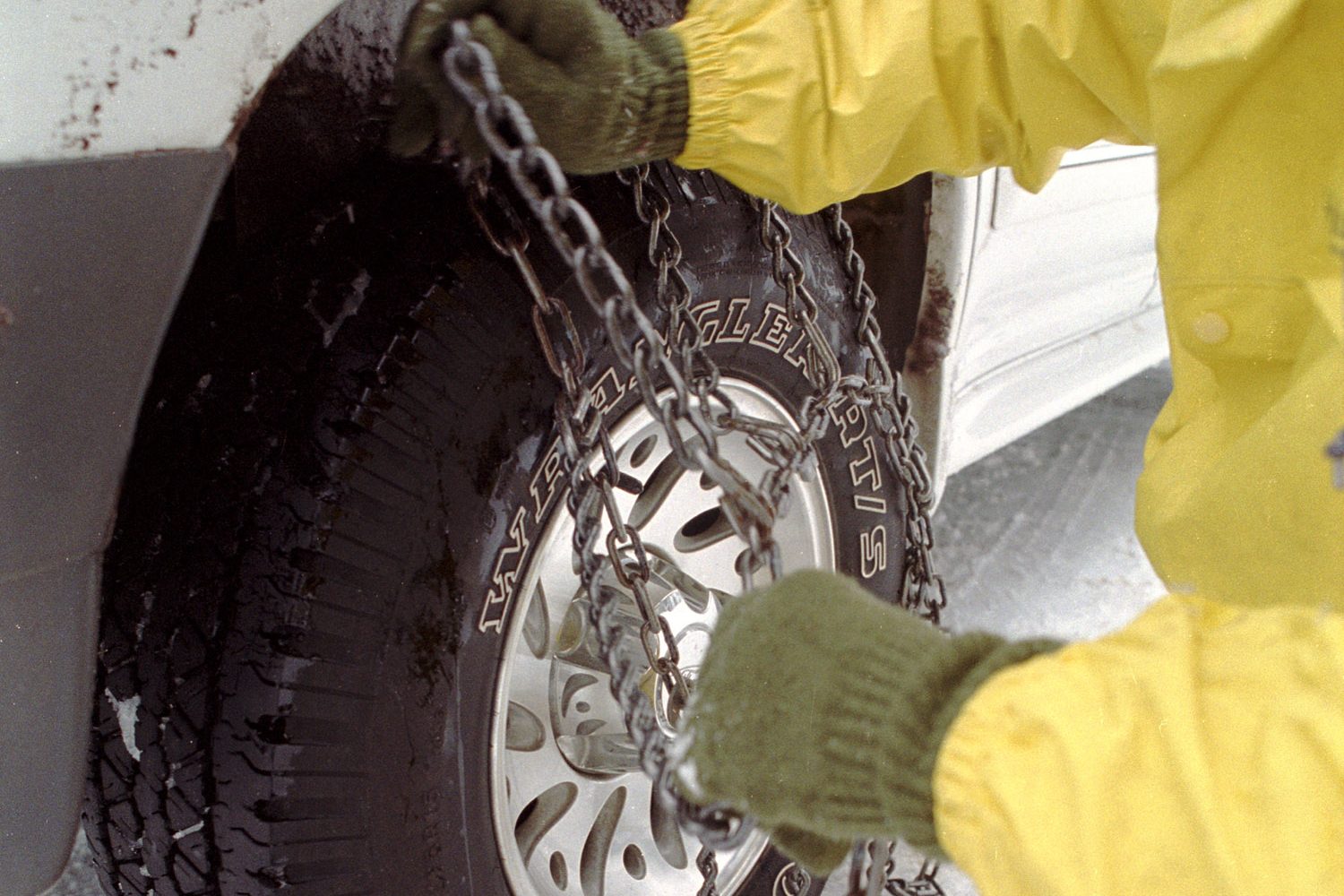
This week's Sierra storm is a preview of what holiday travel into the mountains looks like: winter storm warnings, chain controls on the passes and a line of cars on the shoulder of the highway while drivers try to figure out their chains for the first time. Most of that is avoidable with a little preparation before you leave the house.
Start with the rules. In California, Caltrans posts three levels of chain control. Under R-1, chains are required, but passenger vehicles and light trucks under 6,000 pounds can go without them if they have snow tires on at least two drive wheels. Under R-2, four-wheel and all-wheel drive vehicles with snow-tread tires on all four wheels are exempt; everyone else needs chains or traction devices. Under R-3, every vehicle needs them, with no exceptions, and Caltrans says the road is often closed before it gets to that point.
The part people miss: even when you are exempt, you have to carry chains. Caltrans says vehicles using snow tires under R-1 must carry chains, and four-wheel and all-wheel drive vehicles must carry traction devices in chain control areas. An all-wheel drive car with no chains in the trunk is one condition change away from being turned around.
Practice once in the driveway, in daylight, with dry hands. The first time you fit chains should not be in slush, in the dark, with trucks going by. When the signs say chains are required, Caltrans says you will usually have about a mile before the checkpoint. Pull completely off to the right; do not stop where you block traffic. The speed limit with chains on is 25 or 30 mph. If you pay a roadside chain installer, get a receipt and note the badge number: installers are independent businesses, not Caltrans employees, and they are not allowed to sell or rent chains.
Then pack the car as if you might sit still for a few hours. Ready.gov's car kit list is short: jumper cables, flares or a reflective triangle, an ice scraper, a phone charger that plugs into the car, a blanket, a paper map, and cat litter or sand for traction. Add water, snacks, warm layers and a flashlight for everyone in the car. Keep the gas tank full, which also helps keep the fuel line from freezing, and turn off cruise control on snowy or icy roads.
Last, check before you go and again on the way. Conditions change quickly on mountain passes. Caltrans QuickMap and the CHIN line at 800-427-7623 show current chain controls and closures in California; other states run their own 511 systems. Ready.gov's advice for bad weather is the simplest of all: drive only if you really have to. Leaving a day early, or a morning late, is often the best piece of winter gear there is.
Sources